

Inside the Work of an Emmy-Winning Composer
Adam Lukas opens his sessions and shows every decision behind five commercially released tracks for Hans Zimmer's Bleeding Fingers Music

Everything You Need for Professional Cinematic Music
From reading a brief to composition, sound selection, programming, mixing and sound design: the complete process, not just one piece of it

All His Knowledge, Nothing Held Back
Every library, every plugin, every trick and every decision Adam uses in his daily work, shown on real tracks and explained without gatekeeping

Cinematic Music Production | Online Course with Adam Lukas
Cinematic Music Production takes you inside the daily work of Adam Lukas, an Emmy-winning composer who spent six years at Hans Zimmer's Bleeding Fingers Music. Over 18 hours, he shows how professional cinematic music is written, produced and mixed, and holds nothing back. It is the job many composers dream about, and this course puts you right in the middle of it.
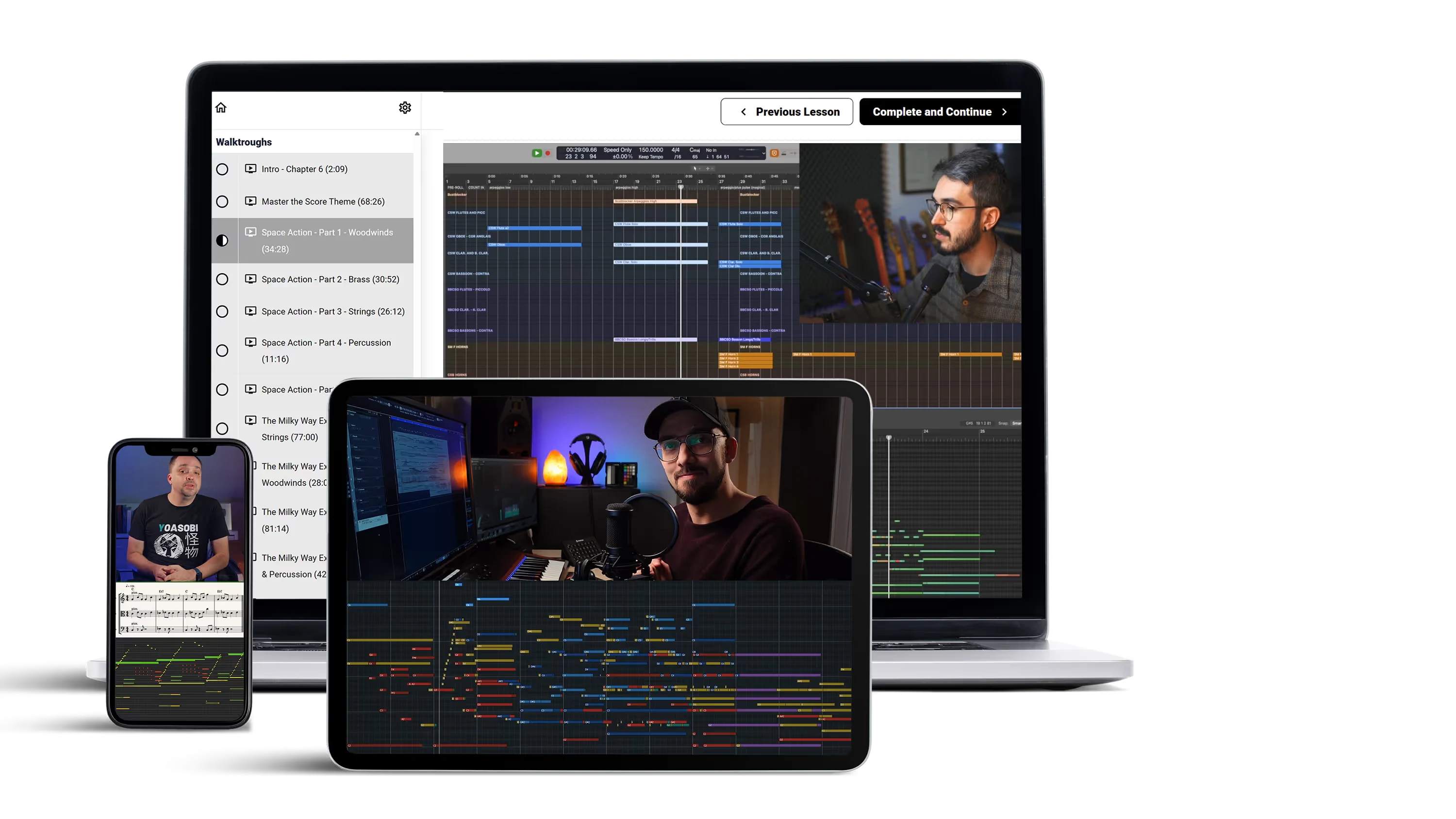
At the center of the course are five commercially released tracks Adam wrote for Bleeding Fingers Music. Each walkthrough begins with the original client brief and shows how every musical decision follows from it. From there Adam takes the track apart layer by layer: composition, sounds, programming and the complete mix, ending with a live production pass in which he improves the finished track in real time. Between the walkthroughs, entire chapters are dedicated to his composition techniques, his complete template, his mixing method and sound design.
This cinematic music production course was created as one holistic approach: sharpen your composition, mixing and production skills, develop a personal sound through sound design, and learn to work with clients at the highest level. For experienced composers it is the next step. For beginners, a huge leap forward. Our thanks go to Bleeding Fingers Music and Extreme Music for allowing these tracks and their original briefs to be shown in the course.
Adam Lukas
Adam Lukas is an Emmy-winning composer based in Los Angeles. Born and classically trained in Austria, he spent six years at Hans Zimmer's Bleeding Fingers Music before going independent — with credits including BBC's Frozen Planet II and Primates, NatGeo's Being the Queen, and the Super Bowl LVI Opening Film.
In 2021 his scores for Primates and Being the Queen earned two Emmy nominations — with Primates taking home the award. Further honors include a Giant Screen Cinema Award and a Production Music Award; his solo piano music is published by Universal Edition.
Check out the Trailer
What You Will Learn
Five track walkthroughs run through the course, with four full chapters in between. Here is what each area gives you:
This course is divided by the following steps:
Track Walkthroughs
Imagine you could see the briefs a composer at Hans Zimmer's Bleeding Fingers Music receives before he starts writing. Then imagine watching him turn that brief into a finished, released track, decision by decision. That is exactly what happens here, five times over. Each of Adam's five commercially released tracks, from the Space Tones and Earth Tones albums to the piece from the course trailer, starts with the original client brief, moves through the composition, every sound and the complete mix, and ends with a live production pass in which Adam improves the finished track in real time, in one case with Hollywood concertmaster Charlie Bisharat recording the solo violin. For you this means hands-on knowledge straight from the top of the industry: how professional cinematic music is composed, produced, mixed and delivered to a client.
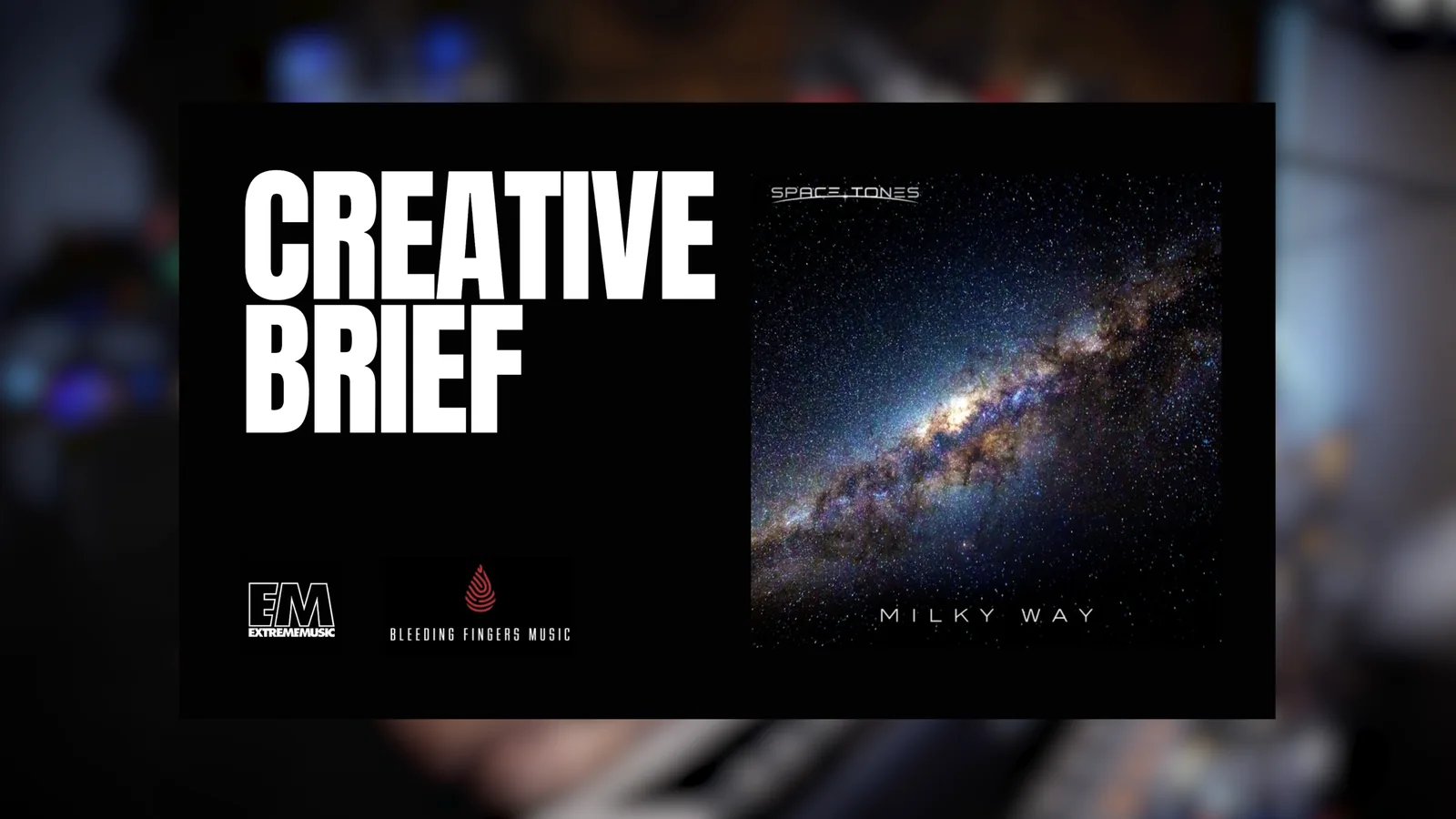
- turning a brief into music that gets approved
- motives, harmony, orchestration and pacing
- every sound, its programming and its mix
- live production passes
Composition
Every composer knows the moment when the project is open and nothing is there yet. Adam faces it under deadline for Bleeding Fingers Music, and this chapter shows the three methods he uses to get a piece started: the Frame Technique, the Numbers Technique and the Harmony Technique. One of them produced the pitch theme he wrote for a show about a mathematical genius, another shows how chord changes move a story forward. Taught directly on Adam's own released music. For you this means composing with intent instead of waiting for inspiration. After this chapter, you will always know where to start.
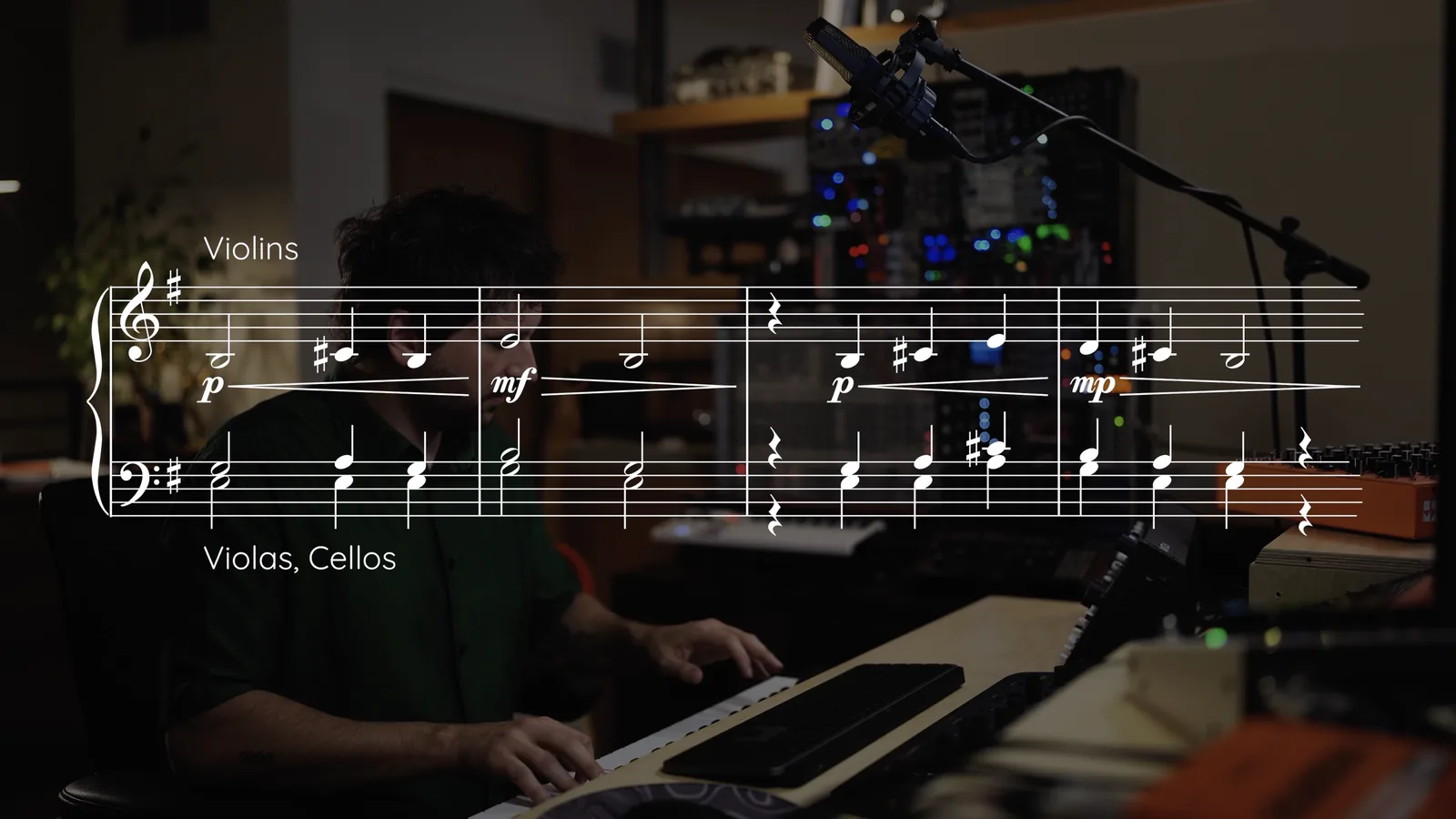
- the Frame Technique
- the Numbers Technique
- the Harmony Technique
- getting a piece started with intent
Mixing
Mixing is where a good idea either turns into a professional track or gets lost. Here you get the entire mixing method behind the tracks Adam delivered to Bleeding Fingers Music and Extreme Music: the mix as a three-dimensional space with an X, Y and Z axis. A straightforward approach that demystifies mixing, so you understand what you're doing and why. You learn what makes a mix sound full rather than flat, how to name a problem before you fix it, and how to place every element where it belongs. The walkthroughs then show it in practice: routing, bus processing, EQ, compression, reverb and Adam's mastering chain, with stock and affordable plugins as much as high-end tools. Every concept is illustrated with engaging animations, so you don't just hear the ideas, you see them. Once these principles click, they stay with you on every track you touch.
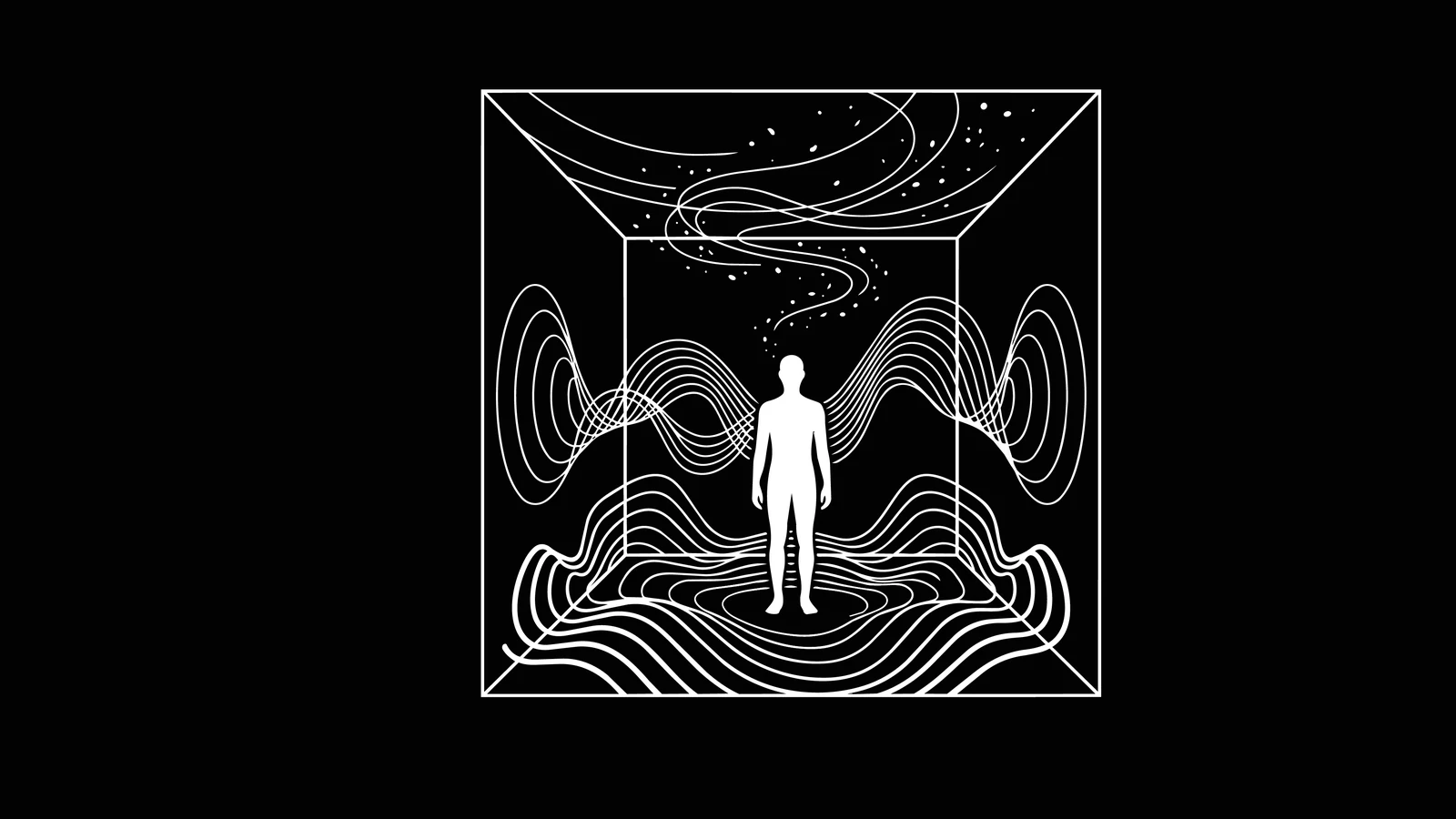
- the mix as a three-dimensional space
- full versus flat mixes
- routing, bus processing and mastering
- professional results with a small toolkit
Sound Design
A personal sound language matters more than ever, and it is the one thing no library can sell you. In this chapter you watch Adam build his from scratch: he records a Guitar Viol, a rare cello-like instrument with resonating strings, builds an articulation list, edits the samples and turns the raw material into new cinematic sounds. Everything created in this chapter is included as a download for course students, so you start with Adam's sounds and leave with the method to make your own. It is the step that gives your music a personal signature: a component no plugin can deliver.
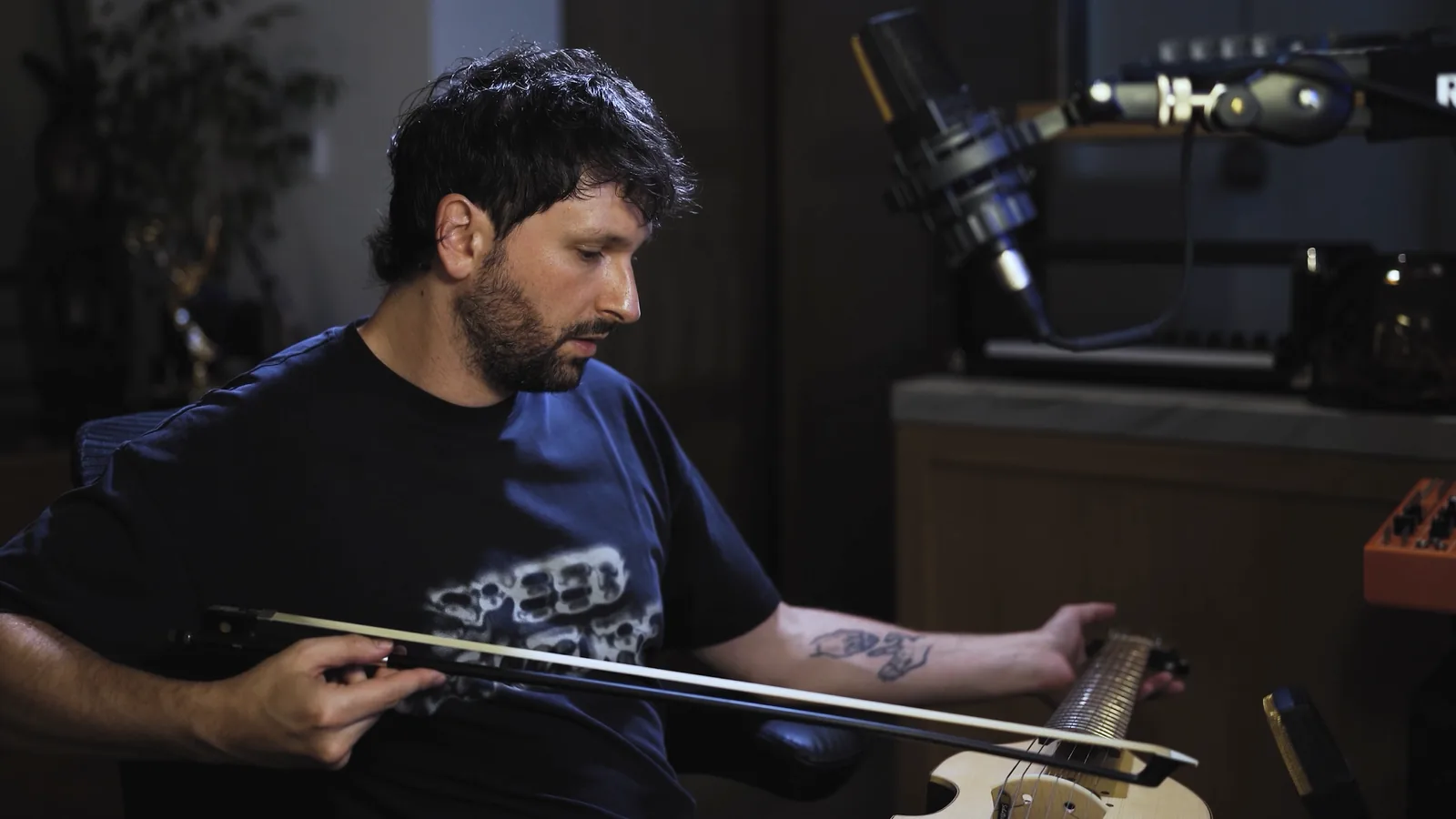
- exploring and recording an instrument
- sample editing and processing
- designing cinematic sounds from raw material
- the Guitar Viol samples as download
Music Production
How does a composer keep a large template fast when a client is waiting? This chapter is a tour through Adam's complete 2026 template, sound by sound: orchestral blends, strings, winds and brass, piano, bells and harp, and synths, including the custom libraries built for the film Hagen. Adam explains why each tool earned its place, how the template is organized, and how he keeps the setup fast under deadline in Cubase and Vienna Ensemble Pro. For you this means a blueprint for your own setup, whatever your tools: the thinking behind the template transfers to any DAW.
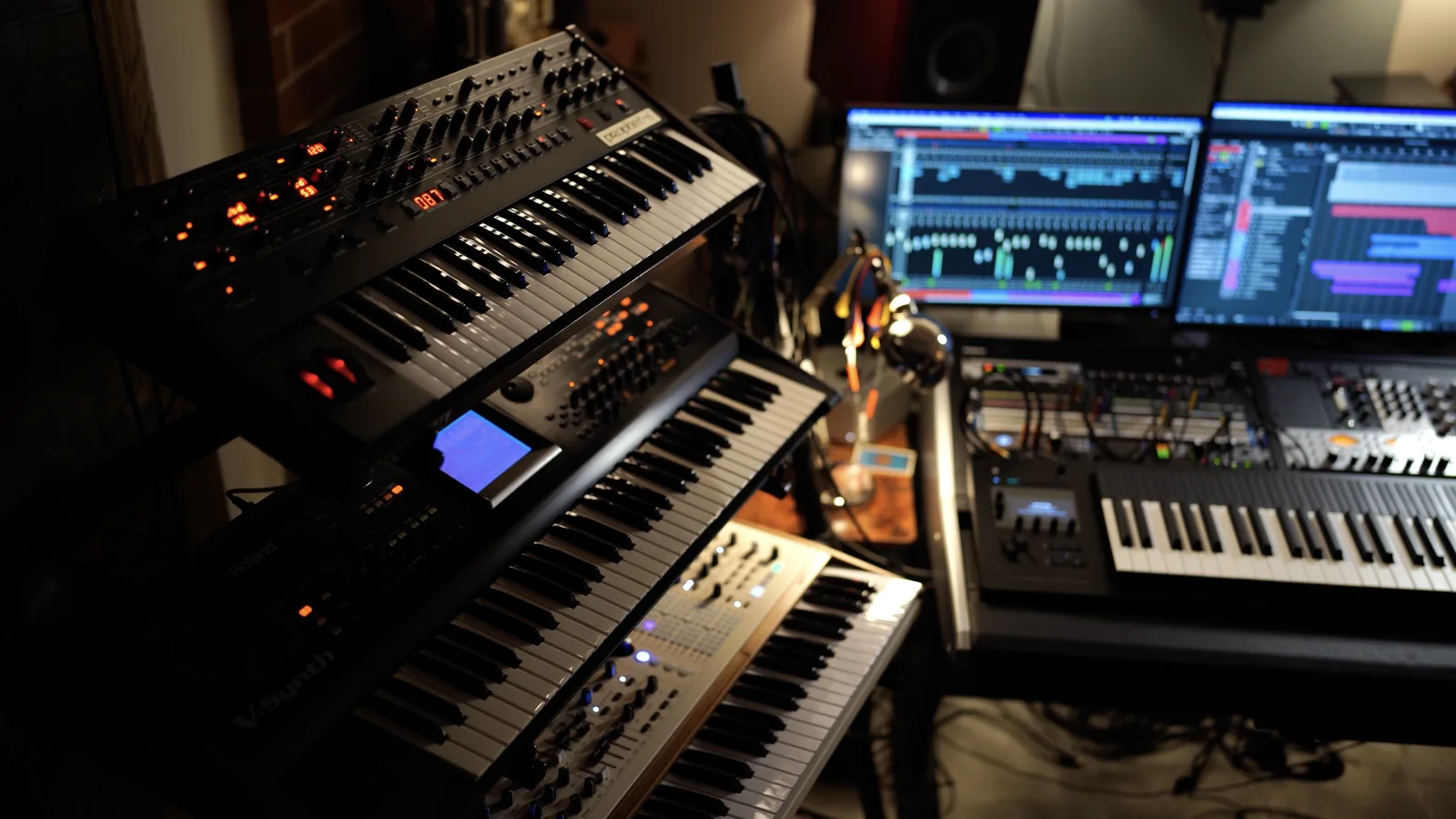
- Adam's complete 2026 template
- libraries, synths and why he chose them
- template organization and routing
- Cubase and Vienna Ensemble Pro workflow
Course Curriculum
Walkthroughs


.webp)