


Biography
Benny Oschmann took professional trumpet and piano lessons from an early age and played in numerous orchestras and ensembles.
After high-school Benny studied music theory and composition at the Academy of Music Kassel and graduated with an A-grade.
In 2009 he joined Dynamedion as a composer and orchestrator and has worked on video games such as Angry Birds Star Wars 2, Hitman Absolution, Disney's Toy Story 3, Kinect Rush - A Disney Pixar Adventure and The Settlers 7.
In 2013 Benny won an Aggie Award in the category Best music for his soundtrack to The Raven – Legacy of a Master Thief. In 2015 he won the acclaimed German Game Developer Award in the category Best sound for his soundtrack for The Book of Unwritten Tales 2. In the same year his music was recorded with the Hollywood Studio Symphony in the world-famous Warner Bros. Eastwood Scoring Stage.
Benny is one of the most in-demand composers for sample library demos and he has composed numerous demos for Orchestral Tools, East West, Sonuscore, Native Instruments and Strezov Sampling.
Courses
Learn from this instructor
Articles
Written by this instructor
Music Theory and Composition
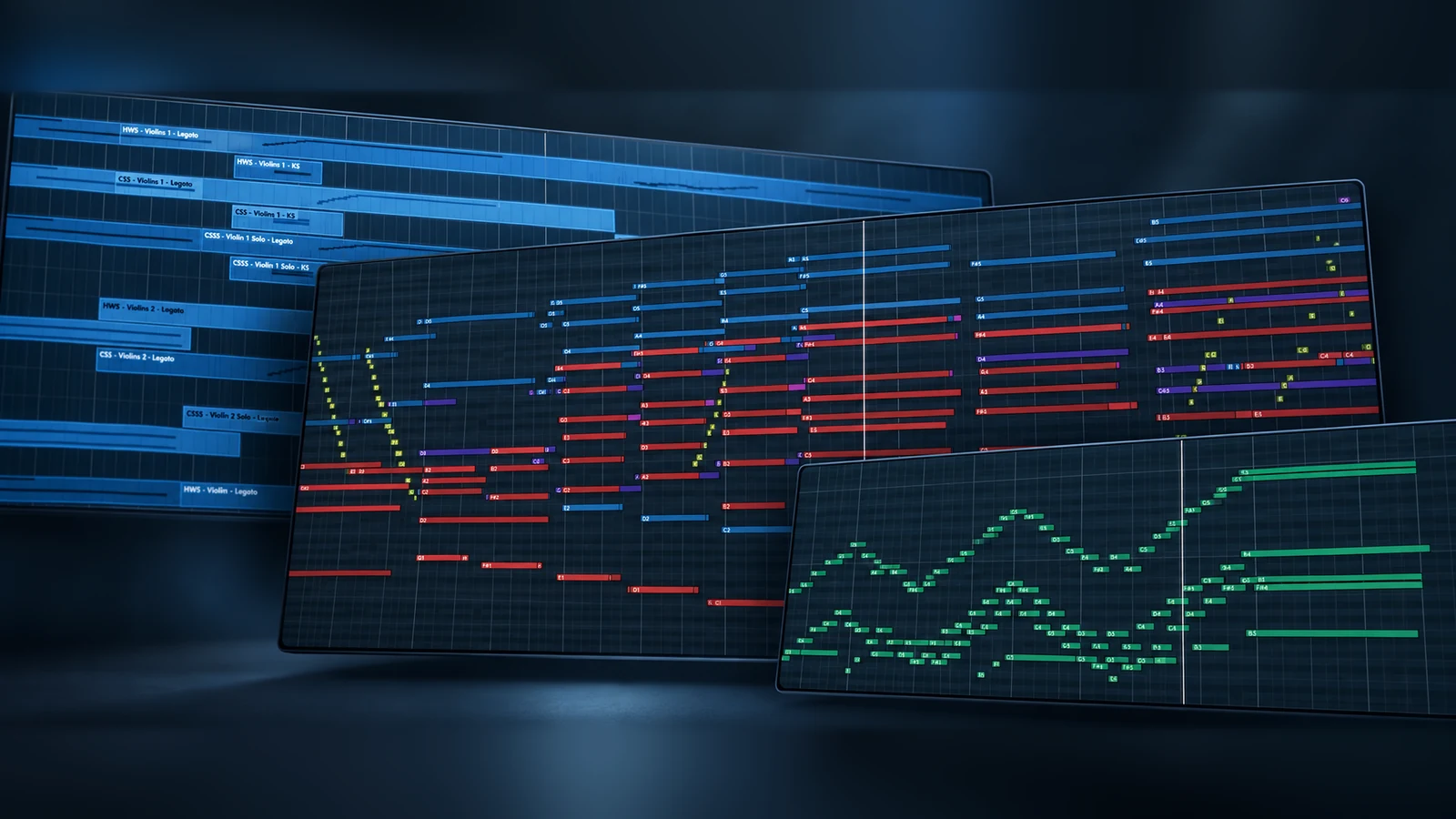
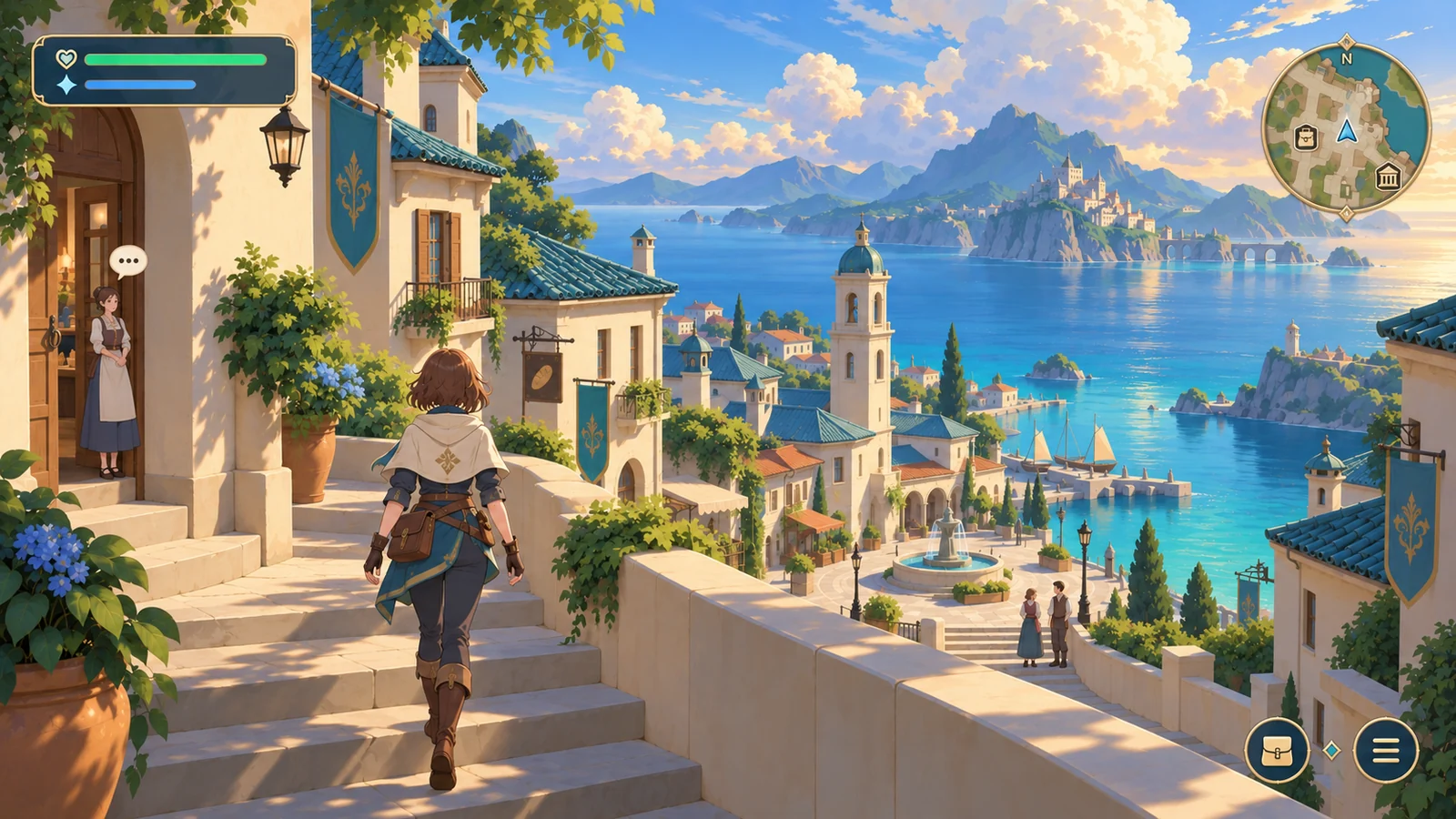
How to Make Video Game Music (with a JRPG Town Theme Walkthrough)
Loop design, a complete JRPG town-theme walkthrough, and adventure and dungeon examples from The Legend of Otoe: how to write video game music that holds up.
Read article →ryan-leach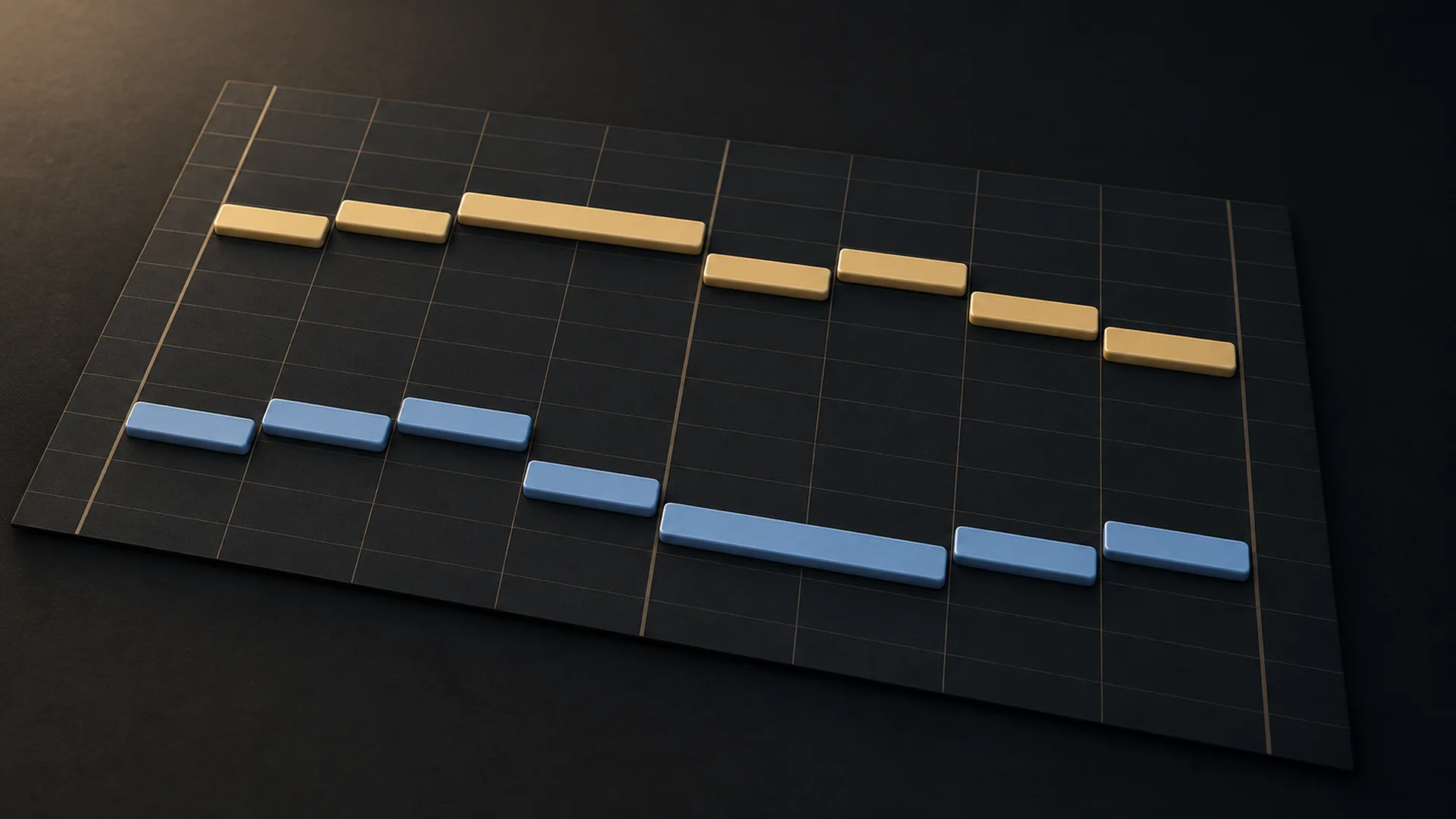






Music Theory and Composition
Anime Chord Progressions: 8 Classic Japanese Progressions Explained
Eight chord progressions behind anime and JRPG music: Royal Road, Nichijou, Just the Two of Us, Evangelion, the Mario cadence and more, with chords in C.
Read article →ryan-leach
Music Theory and Composition
Japanese Instruments: A Composer's Guide
The traditional Japanese instruments composers actually use — koto, shakuhachi, shamisen, biwa, and taiko: what they're called, how they work, and how to write for them.
Read article →ryan-leach




Music Theory and Composition
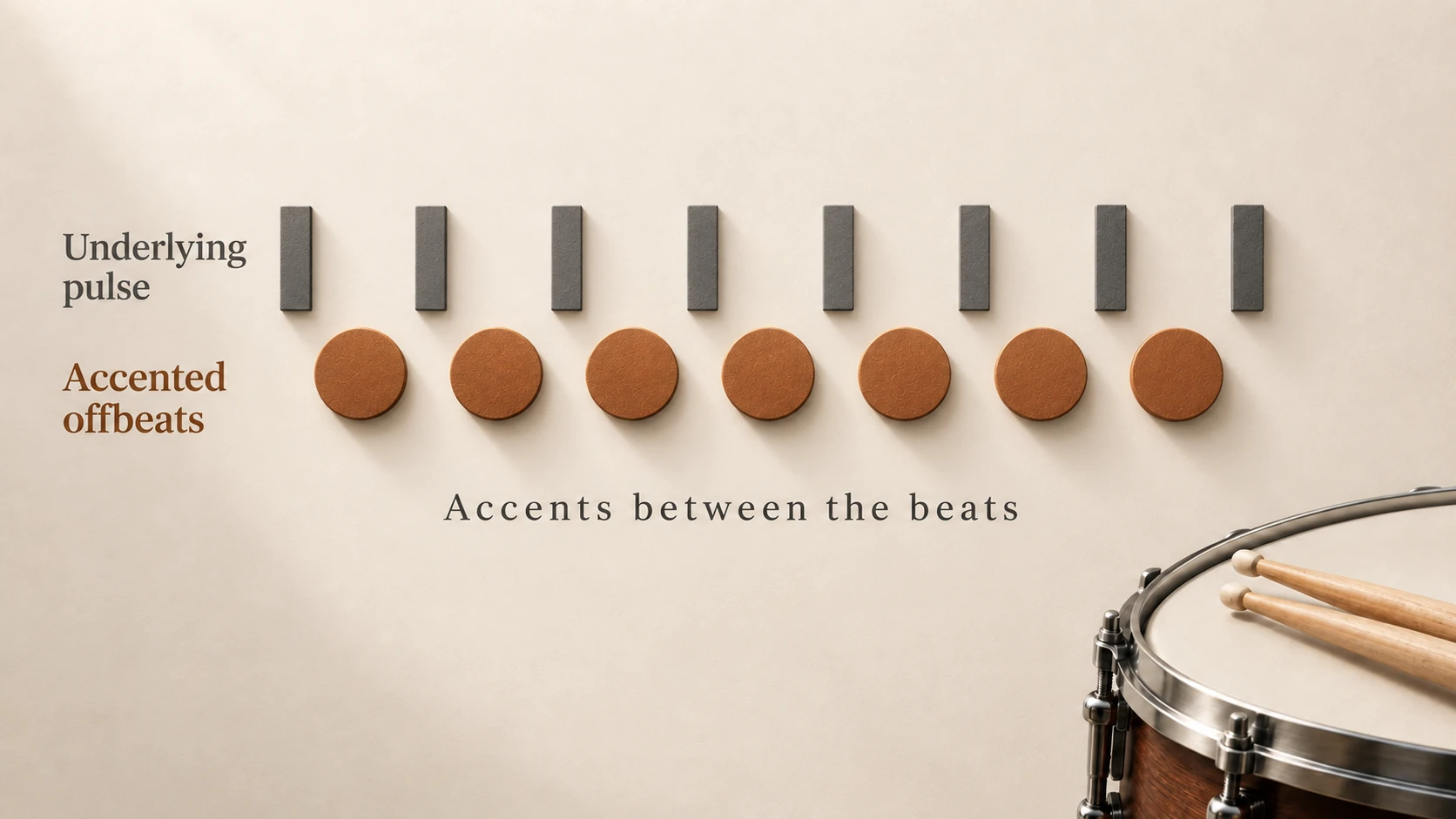
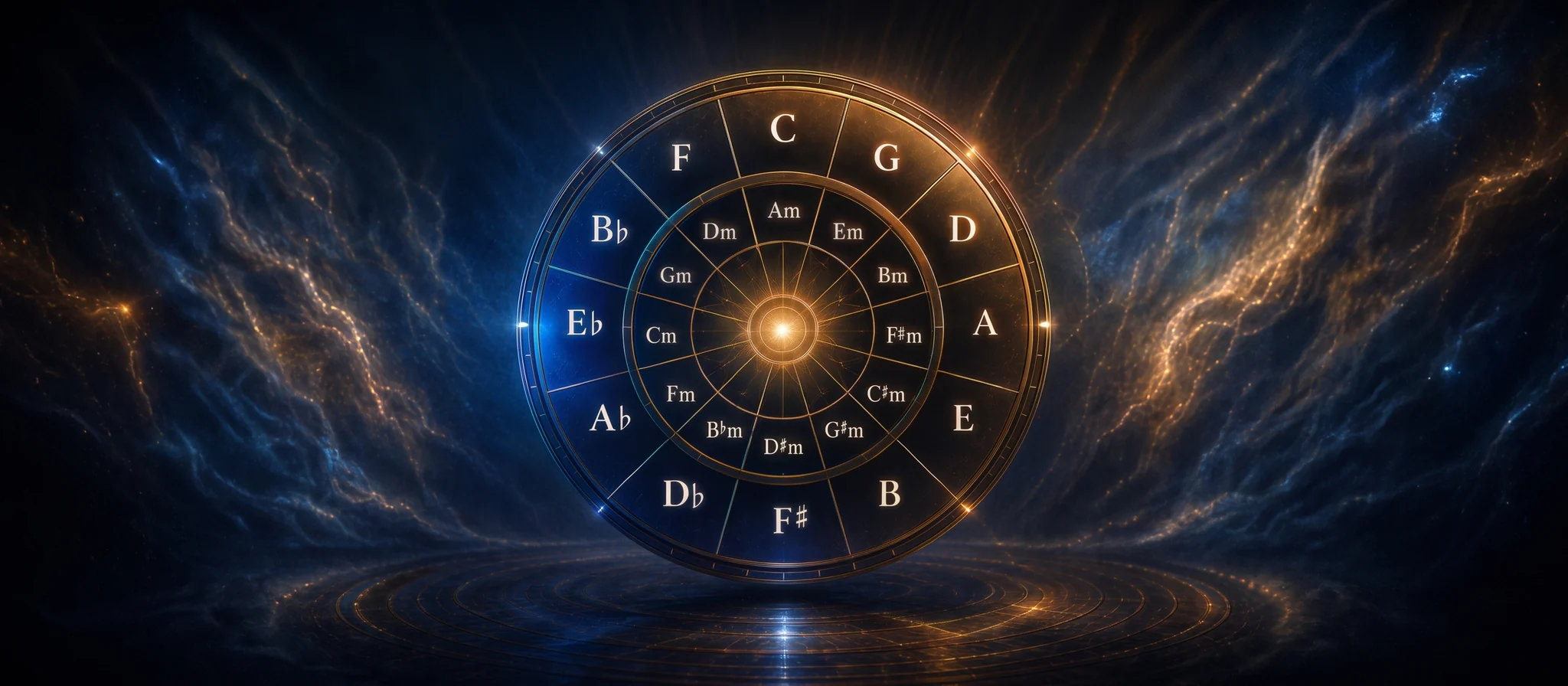
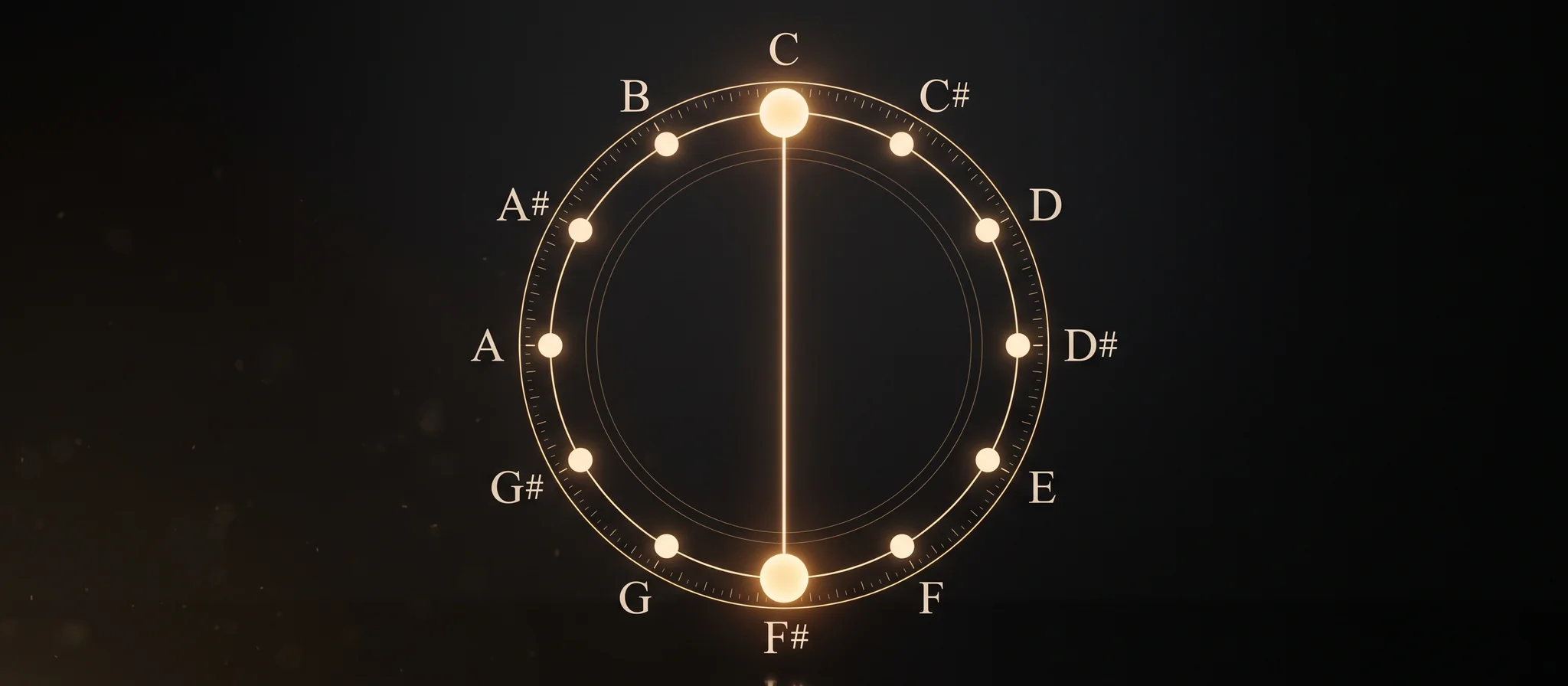
The Royal Road Progression: Japan's Signature Chord Progression
What is the Royal Road progression (IV–V–iii–vi)? Why it defines anime and J-pop harmony, how Japanese composers modify it, and how to use it in your own music.
Read article →ryan-leach


Music Theory and Composition
How to Write a Catchy Melody: 10 Tips for Film & Game Music
Ten practical melody tips with examples from Zelda, Mario and Jaws — simplicity, rhythm, repetition, contrast and the hook.
Read article →ryan-leach
Music Theory and Composition
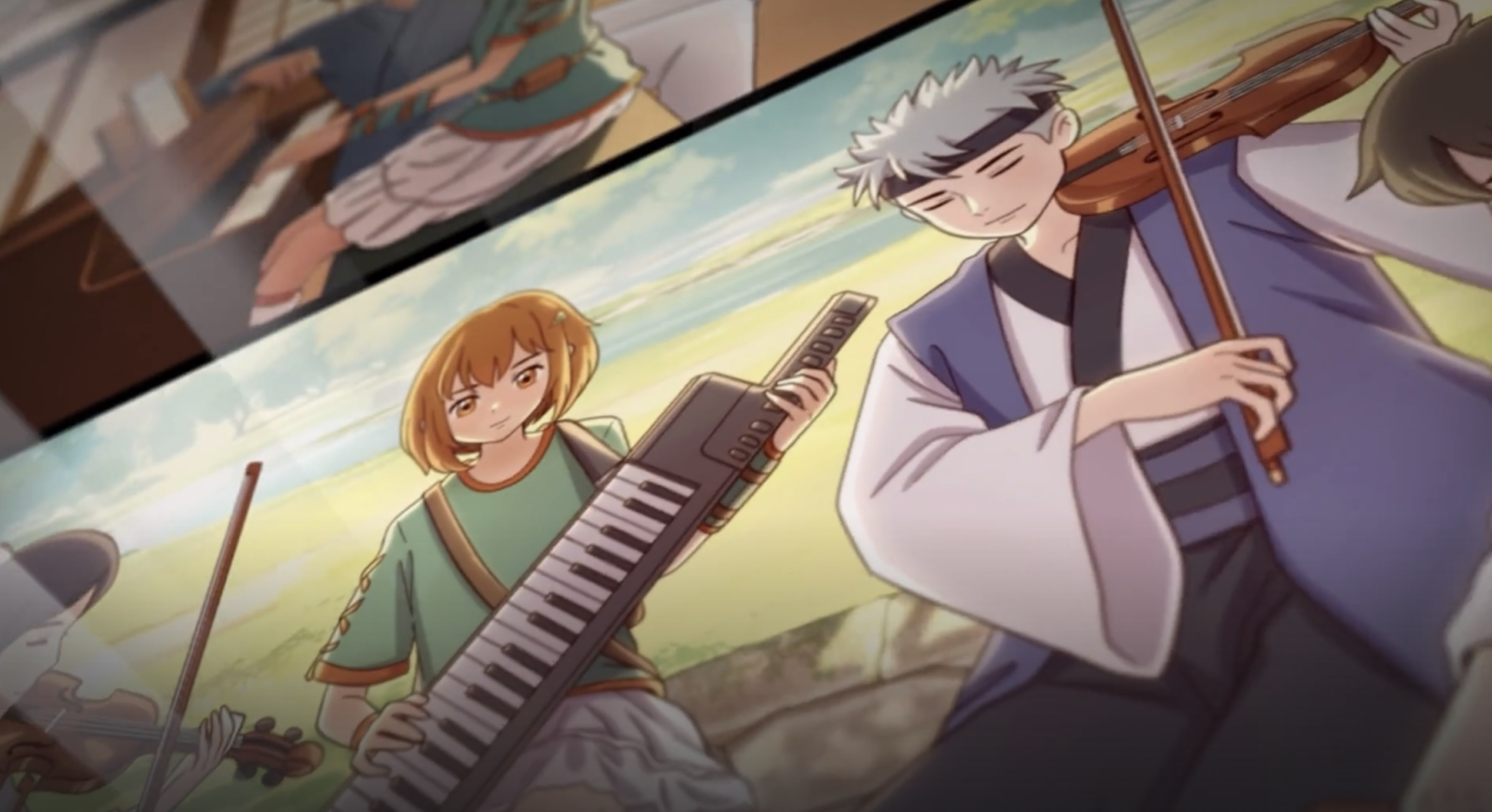
How to Write Anime Music
Discover the secrets to writing music for animes: ranging from learning how to write melodies, harmonies, which instruments to use, the different styles you can try, and even how to highlight the storytelling itself.
Read article →ryan-leach
Music Theory and Composition
How to Write Cinematic Music: Instruments, Themes & Contrast
The building blocks of cinematic music — instrument roles, dynamic contrast, memorable themes and the composers to study. A quick-start guide.
Read article →adam-lukas
Music Production
How to Mix Orchestral Music: EQ, Reverb, Panning & Depth
A step-by-step guide to mixing orchestral music: mic positions, panning, EQ, two-stage reverb, compression with intent, and the mono check.
Read article →joel-dollie
Sound Design
How to Learn Sound Design: A Beginner’s Guide
This article is the perfect beginner guide for starting sound design, from key concepts like frequency, amplitude, and timbre to essential tools like DAWs and plugins.
Read article →simon-haglund

Trailer Music
How to Write Trailer Music: A Step-by-Step Guide
Learn how to write trailer music: the act structure editors need, hits, risers and braams, hybrid sound, trailer styles, mixing, and how tracks get placed.
Read article →randon-purcell